
Razer Blade 14 vs ASUS ROG Flow Z13: Which One Should You Choose?
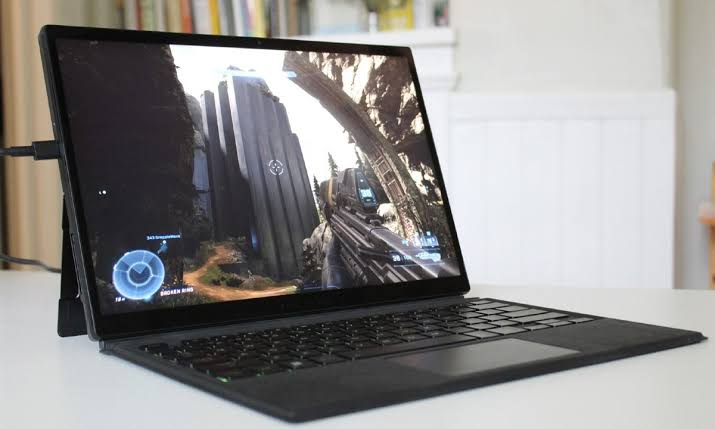
The Razer Blade 14 and the ASUS ROG Flow Z13 are two premium portable gaming machines, but they are built with completely different philosophies. The Razer Blade 14 is a traditional gaming laptop that delivers maximum performance in a compact 14-inch chassis. The ASUS ROG Flow Z13, meanwhile, is a gaming tablet with a detachable keyboard, designed for users who value flexibility and mobility alongside gaming capabilities.
Although both devices target gamers and power users, they excel in different areas. Choosing the right one depends on how you plan to use your device. This comparison examines their design, gaming performance, productivity, portability, and overall value to help you decide which model better fits your needs.
Design and Build Quality
The Razer Blade 14 is known for its premium CNC-machined aluminum body that feels sturdy and durable. Its clean black finish gives it a professional appearance, allowing it to blend into office environments just as easily as gaming setups. The solid construction also provides confidence when carrying the laptop daily.
The ASUS ROG Flow Z13 offers a completely different experience. Instead of a conventional laptop, it functions as a Windows gaming tablet with a detachable keyboard and an adjustable kickstand. This design makes it incredibly versatile for users who like switching between tablet mode and laptop mode. It also supports touch input, making it useful for creative tasks and note-taking.
If you prefer a premium traditional laptop, the Blade 14 is the stronger choice. If flexibility is your priority, the Flow Z13 stands out.
Portability
Both devices are designed for mobility, but they achieve it differently.
The Razer Blade 14 is remarkably compact for a gaming laptop. It easily fits into backpacks and is comfortable to carry between work, school, or travel. Despite its compact dimensions, it still offers the feel of a full laptop with a permanently attached keyboard.
The Flow Z13 is even more portable because of its tablet-style design. Removing the keyboard makes it extremely lightweight, and its smaller footprint makes it convenient for users who travel frequently.
For users constantly on the move, the Flow Z13 has an advantage. However, if you want portability without sacrificing the comfort of a traditional laptop, the Blade 14 offers a better balance.
Display Quality
The display is one of the highlights of both devices.
The Razer Blade 14 features a sharp, vibrant display with high refresh rates that provide smooth gameplay and excellent visual quality. Colors appear rich, making it suitable not only for gaming but also for photo editing, video production, and everyday entertainment.
The ASUS ROG Flow Z13 features a touchscreen display that adds another level of functionality. Artists, students, and designers benefit from direct touch interaction and stylus compatibility, making it much more versatile for creative workflows.
Gamers generally benefit more from the Blade 14’s larger display, while creative users may appreciate the Flow Z13’s touchscreen capabilities.
Gaming Performance
Gaming performance is where the biggest difference becomes apparent.
The Razer Blade 14 is built specifically for serious gaming. Equipped with powerful AMD Ryzen processors and NVIDIA GeForce RTX graphics, it handles modern AAA games with excellent frame rates while maintaining impressive visual quality. Whether playing competitive esports titles or graphically demanding open-world games, the Blade 14 delivers consistently strong performance.
The ASUS ROG Flow Z13 is also capable of gaming, but its focus is slightly different. While it runs modern games well, its compact tablet design places greater emphasis on portability than maximum graphics performance. For casual gaming and many popular titles, it performs admirably, but users seeking the highest graphics settings and maximum frame rates will generally find the Blade 14 more capable.
If gaming is your primary purpose, the Blade 14 is the stronger performer.
Cooling and Thermal Performance
High-performance hardware requires efficient cooling.
The Blade 14 uses an advanced cooling system that allows it to maintain stable performance during long gaming sessions. Although the fans become audible under heavy workloads, they effectively manage temperatures and help prevent major performance drops.
The Flow Z13 uses a unique cooling design because its primary hardware sits behind the display rather than beneath the keyboard. This layout helps keep the keyboard cooler while gaming and creates a different airflow pattern compared to traditional gaming laptops.
Both systems manage heat effectively, but the Blade 14 is better suited for maintaining sustained gaming performance during extended sessions.
Keyboard and Productivity
For users who spend hours typing, keyboard quality matters.
The Razer Blade 14 includes a built-in keyboard with solid key travel and excellent stability. It feels comfortable during gaming, coding, writing, and office work. Since the keyboard is permanently integrated into the chassis, it remains stable on any surface.
The Flow Z13’s detachable keyboard works well for everyday use but cannot match the stability of a traditional laptop keyboard, especially when used on your lap.
Professionals, students, and software developers will likely find the Blade 14 more comfortable for long working sessions.
Software Development
Developers require reliable performance for compiling code, running virtual machines, Docker containers, databases, and development environments.
The Blade 14 handles these workloads exceptionally well thanks to its powerful processor and efficient cooling system. Multiple development tools can run simultaneously without noticeably slowing the system.
The Flow Z13 is also capable of software development, especially for lighter projects and mobile workflows. However, developers working on large enterprise applications or resource-intensive workloads will generally appreciate the Blade 14’s higher sustained performance.
Content Creation
Both devices perform well in creative applications, but they appeal to different creators.
The Blade 14 excels in video editing, 3D rendering, motion graphics, and other GPU-intensive creative work. Its dedicated graphics hardware significantly accelerates rendering and playback performance.
The Flow Z13 offers advantages for illustrators and designers thanks to its touchscreen and stylus support. Artists who enjoy drawing directly on the display may find it more intuitive.
Video editors, animators, and 3D artists are likely to prefer the Blade 14, while digital artists may gravitate toward the Flow Z13.
Battery Life
Battery life depends heavily on workload.
During everyday productivity tasks such as browsing, office work, programming, and media streaming, both devices provide respectable battery performance.
Gaming naturally reduces battery life on both systems because of the demands placed on the processor and graphics hardware. For the best gaming experience, both laptops perform at their highest level when connected to their power adapters.
For daily work, each device offers enough battery life for several hours of productivity.
Connectivity
The Blade 14 includes a strong selection of ports for connecting external monitors, gaming peripherals, storage devices, and accessories. This reduces the need for additional adapters during everyday use.
The Flow Z13 prioritizes portability, which means some users may rely on USB-C hubs when connecting multiple peripherals.
If you frequently use external hardware, the Blade 14 offers greater convenience.
Which Laptop Offers Better Value?
Both laptops provide excellent value for different audiences.
The Razer Blade 14 focuses on delivering premium gaming performance, powerful productivity, and long-term versatility in a compact package. It serves equally well as a gaming machine, development workstation, and creative laptop.
The ASUS ROG Flow Z13 focuses on flexibility. Its ability to function as both a tablet and laptop makes it appealing for users who value mobility and touch functionality.
Rather than competing directly, these devices serve different types of buyers.
Who Should Buy the Razer Blade 14?
The Razer Blade 14 is an excellent choice for gamers who want maximum gaming performance in a portable laptop. It is also ideal for software developers, video editors, 3D artists, engineers, and professionals who need powerful hardware for demanding workloads.
Its premium build quality, excellent keyboard, efficient cooling, and powerful graphics make it one of the most versatile compact gaming laptops available.
Who Should Buy the ASUS ROG Flow Z13?
The ASUS ROG Flow Z13 is best suited for users who prioritize portability and flexibility. Students, travelers, digital artists, and professionals who frequently switch between tablet and laptop modes will appreciate its unique design.
Its touchscreen capabilities and lightweight construction make it an attractive option for creative work and mobile productivity.
Final Verdict
The Razer Blade 14 and ASUS ROG Flow Z13 are both outstanding premium devices, but they are designed for different users.
If your main priority is gaming, video editing, software development, or professional creative work, the Razer Blade 14 is the better choice. It offers stronger gaming performance, a superior typing experience, better sustained performance under heavy workloads, and the feel of a premium traditional laptop.
If portability, touchscreen functionality, and tablet versatility are more important than maximum gaming power, the ASUS ROG Flow Z13 is an excellent alternative that delivers a unique Windows experience.
For most gamers and power users looking for one device that excels in both work and play, the Razer Blade 14 remains the stronger all-around option.