
How Does Plumbing Service Help Manage Plumbing Needs in Finished Basements and Lower Levels?
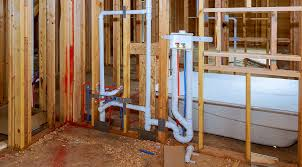
Finished basements and lower levels can add valuable living space to a home, but plumbing in these areas often works under different conditions than plumbing on upper floors. Bathrooms, laundry rooms, wet bars, utility sinks, and drainage equipment below grade may depend on longer drain runs, pumps, careful venting, and reliable moisture control. Once flooring, drywall, cabinetry, and furnishings are installed, hidden plumbing problems can also become more disruptive to reach. Plumbing service matters because it helps homeowners plan the water supply, drainage, fixtures, and protection based on how the lower level is actually used every day.
Where Lower-Level Planning Starts
- Why Finished Basements Create Different Plumbing Demands
Finished lower levels are often expected to function like any other part of the house, yet their plumbing needs may be much more complicated. A basement bathroom, laundry area, kitchenette, or utility sink can sit below the level where wastewater naturally leaves the home, which may change how drainage needs to be managed. Pipes can also run behind finished walls or beneath flooring, making accessibility an important part of the planning process. Homeowners dealing with plumbing in Bartlesville may begin to realise that lower-level plumbing should be considered before finishing decisions make important lines, valves, or equipment harder to reach. This matters because the goal is not simply to connect fixtures and assume the system will work the same way it does upstairs. Plumbing service helps evaluate slope, drainage paths, venting, shutoff access, and the way water will move through a space that may depend on different conditions than the rest of the home.
- How Plumbing Service Helps Manage Drainage Below Grade
Drainage is one of the biggest reasons plumbing service matters in finished basements. Wastewater from upper floors usually flows by gravity to the main drain, but fixtures lower in the home may require additional planning to move water reliably. Depending on the layout, pumps or other drainage solutions may be needed to help wastewater reach the main line without creating backups or slow drainage. This becomes especially important when homeowners add a bathroom or laundry room after the home was originally built, because the existing system may not have been designed for those fixtures. Plumbing service helps determine whether the current drainage layout can support the new use and whether access points are positioned sensibly for future maintenance. Better planning also reduces the chance that a drainage problem will occur behind finished surfaces where it becomes harder to detect quickly. When lower-level drainage is designed around the actual elevation and layout of the space, the basement can function more naturally instead of feeling like an addition that constantly needs plumbing workarounds.
- Why Moisture Control Matters Around Finished Lower-Level Plumbing
Finished basements need careful moisture management because even a small plumbing leak can affect flooring, drywall, insulation, cabinetry, and stored belongings before homeowners realise what is happening. Lower levels may already experience more natural dampness than upper floors, so plumbing problems can add another source of moisture to an area that needs to remain controlled. Plumbing service helps by checking connections, shutoff valves, supply lines, drains, pumps, and other components that could allow water to escape if they weaken over time. This matters because lingering moisture can create conditions that encourage bacterial growth and unpleasant odours, and damage finished materials. A lower-level living room or bedroom should not feel less dependable simply because plumbing runs nearby. Better service helps homeowners protect those finished spaces by making water movement easier to monitor and by addressing concerns before they affect larger sections of the basement. The goal is to keep the plumbing hidden when it should be, while still ensuring it is accessible and dependable enough that finished surfaces are not constantly at risk.
- How Plumbing Planning Supports Bathrooms, Laundry Areas, and Wet Bars
Lower levels are often renovated to support more activities, and each new use creates its own plumbing requirements. A bathroom needs reliable supply lines, drainage, venting, and fixture placement. A laundry area adds water connections, drainage capacity, and the need to handle repeated high-volume discharge. A wet bar or kitchenette may involve a sink, dishwasher, refrigerator water line, or other connections that need to fit into a limited space without creating awkward service access later. Plumbing service helps coordinate these features before cabinetry and finishes make changes more difficult. This is important because lower-level rooms often have less flexibility than main-floor kitchens or bathrooms. Ceiling height, foundation walls, existing mechanical equipment, and limited drain locations can all influence where fixtures make sense. Better plumbing planning helps homeowners build around those realities rather than forcing pipes into inconvenient routes. When the plumbing is considered early, the finished basement feels more intentional and more useful because the fixtures work naturally with the room instead of appearing to have been added wherever a connection happened to be available.
Why Better Plumbing Makes Finished Basements Easier to Use
Plumbing service helps manage plumbing needs in finished basements and lower levels by addressing the conditions that make these spaces different from the rest of the home. Drainage elevation, moisture control, fixture placement, pump needs, and long-term access all affect whether a lower level feels dependable after renovation. When those details are planned carefully, bathrooms, laundry areas, wet bars, and other water-connected spaces can function without creating constant worry behind finished walls and floors. Better plumbing support helps homeowners protect the investment they made in the lower level while keeping the space comfortable, practical, and easier to maintain over many years of regular use.