
Does Castor Oil Increase Estrogen? What the Evidence Says
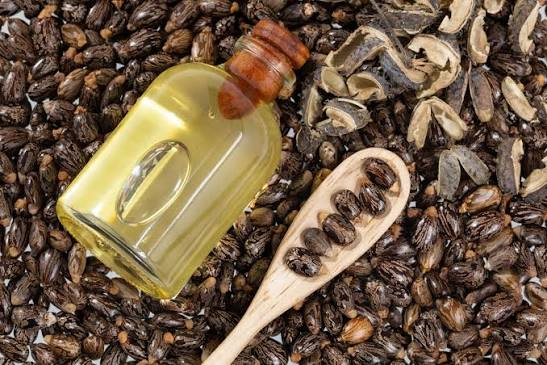
Castor oil has long been used in conjunction with menstrual comfort remedies, as part of topical and oral applications. Most commonly, castor oil is used alongside hot packs to relieve period pain and abdominal discomfort. Some marketing sources and traditional beliefs connect castor oil with hormone balance, fertility, menstrual health, and ovarian support.
To learn more about the truth behind these claims, we’ve compiled a quick no-nonsense guide around castor oil and its connection with hormone-related claims.
Does Castor Oil Increase Estrogen?
According to scientific literature, there is no clear evidence that castor oil has a direct effect on the production of estrogen hormones.
However, there is no denying that castor oil has been used in traditional and medical contexts relating to reproductive health. It has not only been used in topical soothing for menstrual pain, but also orally to stimulate labor. So it becomes easy to see how the claim that castor oil increases estrogen has become popular.
Many websites market castor oil kits for the lower abdomen, associating its use with estrogen balance, ovarian function, menstrual regularity, and even fertility. Additionally, because the oil contains 90% ricinoleic acid, people assume that the active ingredient interacts with biological pathways to account for its soothing and relaxing effects.
How Does Castor Oil Affect Estrogen?
In unpacking the relationship between castor oil and estrogen, it is important to look beyond the claim itself and examine how castor oil interacts with the body, what is known about its main fatty acid, and whether these effects translate to applying castor oil packs.
What Ricinoleic Acid Actually Does in the Body
Ricinoleic acid makes up nearly all of castor oil in composition and has been researched for its effect on intestinal and uterine contractions. A 2012 study found that ricinoleic acid activates the EP3 prostaglandin pathway for smooth muscle cells in mice. Following this, further studies also suggest that castor oil, when taken orally, may induce labor and ease constipation symptoms.
In plain terms, this means that the main fatty acid in castor oil has been demonstrated to make the muscle wall of the uterus and gut “squeeze”. So we do know that ricinoleic acid may have a physical effect on reproductive organs when present in the body; however, studies do not establish any hormonal effects. Additionally, these effects have not been shown to work the same way when castor oil is applied on the skin, which is how it is most commonly used. Ricinoleic acid has to be released by gut enzymes before it can act on the body.
Ricinoleic Acid and Estrogen
At this point, we know that ricinoleic acid affects the body through smooth-muscle contraction, not hormone signaling. But to be clear about the estrogen question, it is worth examining how estrogen is actually produced and whether any part of the process overlaps with what ricinoleic acid does.
Hormone production, including estrogen, is a regulated biological process. Estrogen synthesis starts with cholesterol, which is converted in multiple sites in the body to estrogen. This process is controlled by its own signaling system with specific hormones. The pathway that ricinoleic acid is shown to act on is completely separate, and hence does not affect estrogen production.
So while castor oil does have an effect on the muscles of reproductive organs (when taken orally), it has no link to estrogen production.
Castor Oil Packs and Hormonal Effects
Everything that we have covered so far comes from research on oral castor oil. Castor oil packs are a topical application, meaning they are applied on top of the skin. At this point, castor oil packs have not been tested for their effect on hormone levels, so there is no evidence to suggest that there is a link between topical castor oil and hormones.
This doesn’t mean castor oil packs do nothing. Ricinoleic acid does have anti-inflammatory properties, and the warmth and gentle pressure of a castor oil pack can offer a sense of comfort and relief to the abdomen.
Frequently Asked Questions
Does Castor Oil Balance Hormones?
There is no direct evidence to support this. There is no research showing castor oil changes hormone levels in your body.
Can Castor Oil Help With Period Cramps?
Positively, but not why most people think. Castor oil has anti-inflammatory properties, and added to a pack, it can help soothe cramping. You can use organic castor oil soaked in a folded fabric and apply it to your lower abdomen. This won’t affect period hormones, but can offer relief from cramps.
Does Castor Oil Improve Fertility?
Anecdotal claims suggest that using castor oil packs reduces inflammation and improves blood flow to the lower abdomen area, but there is no direct effect on fertility.
Is Castor Oil Safe to Use for Hormonal Health?
Castor oil can be incorporated into a personal relaxation and self-care routine alongside any hormonal treatment that you are prescribed. But there is no evidence to say that castor oil enhances the effects of hormonal therapy, or interacts with estrogen levels.
The Bottom Line: Does Castor Oil Increase Estrogen?
If you’re looking into castor oil therapy to increase estrogen, then it is important to know that current evidence does not support this use. This is not to discourage you from using castor oil in your self-care routine, as it has many other uses. On days where menstrual discomfort is particularly disruptive, a castor oil pack might just be what you need for soothing and relief.