Brian Niccol Starbucks Changes: Menu, Stores and Service Updates
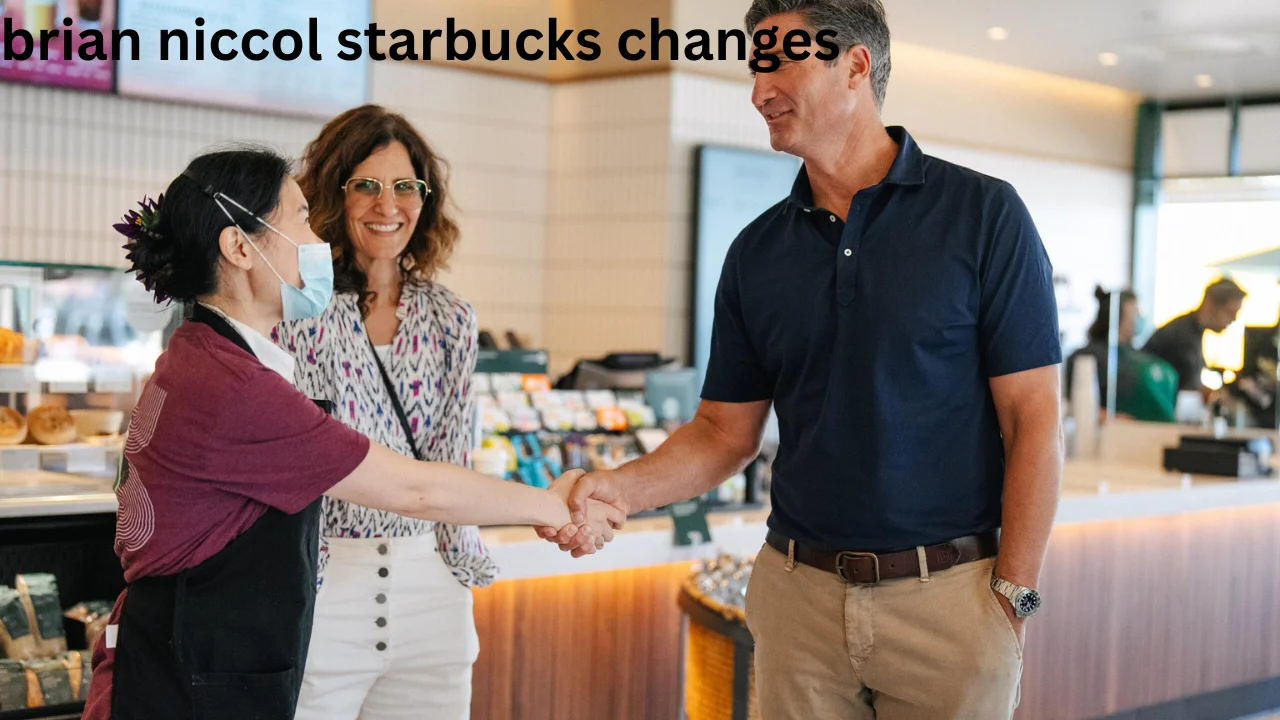
The brian niccol starbucks changes have become a major topic among coffee lovers, employees, and business watchers. Since Brian Niccol took charge of Starbucks in September 2024, he has focused on bringing the company closer to the traditional coffeehouse experience that helped build its global name.
His plan, known as “Back to Starbucks,” focuses on better customer service, simpler menus, faster orders, comfortable stores, and stronger connections between baristas and customers. Starbucks has continued expanding this plan through 2025 and 2026 as management works to improve both customer traffic and business performance.
You May Like: what is cashier’s check
Who Is Brian Niccol?
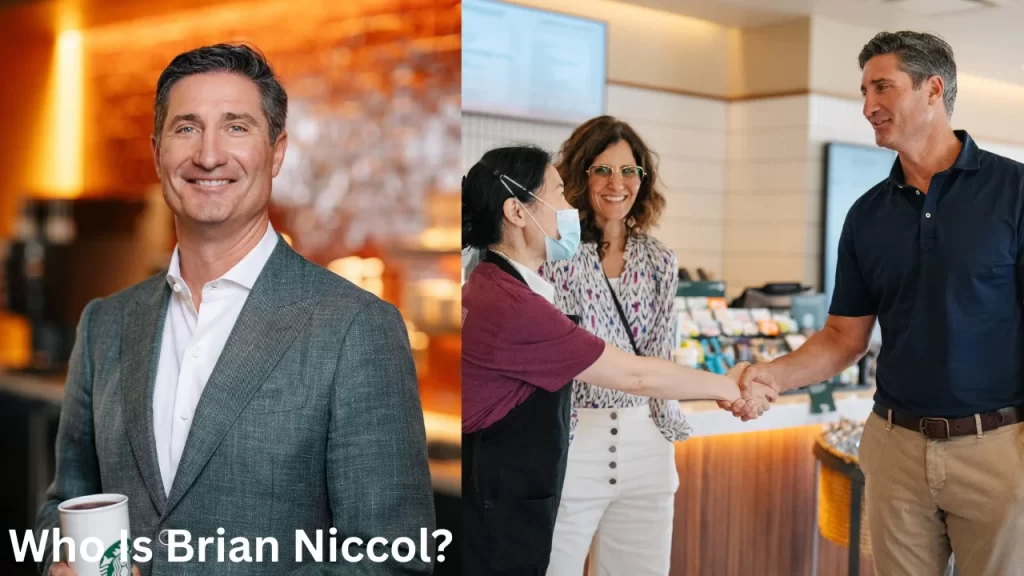
Brian Niccol is the chairman and chief executive officer of Starbucks. Before joining the coffee company, he became well known for leading Chipotle Mexican Grill and helping improve its digital business, operations, marketing, and customer growth.
Niccol arrived at Starbucks during a difficult period. The company faced weaker store traffic, slower sales growth, long order times, complicated menus, and complaints that some Starbucks locations no longer felt like comfortable coffeehouses.
Starbucks therefore brought in new leadership with the goal of improving its stores and strengthening customer loyalty. Niccol quickly made customer experience the center of his turnaround plan.
What Are the Main Brian Niccol Starbucks Changes?
The brian niccol starbucks changes cover almost every important part of the business. Instead of focusing only on new drinks or advertising, Niccol has changed the way Starbucks thinks about stores, staffing, menus, mobile orders, and customer service.
The main goal is simple: customers should receive their drinks faster while still enjoying the welcoming coffeehouse feeling that made Starbucks popular.
| Area | Major Change |
|---|---|
| Menu | Fewer and simpler menu choices |
| Service | Faster drink preparation |
| Stores | More comfortable coffeehouse design |
| Mobile orders | Better order sequencing |
| Staffing | More workers during busy hours |
| Café experience | Ceramic mugs and condiment bars |
| Customer connection | More personal barista service |
| Rewards | Updated Starbucks Rewards experience |
| Technology | Improved store and ordering systems |
These changes support the broader Back to Starbucks strategy rather than acting as separate projects.
The “Back to Starbucks” Strategy
Back to Starbucks is the name Niccol uses for the company’s turnaround strategy. Its basic idea is to return attention to coffee, baristas, service, and the in-store experience.
Starbucks had grown into a huge digital ordering business. However, growing mobile demand sometimes created crowded counters and long waits while reducing the personal feeling inside stores.
Niccol wants Starbucks locations to work as real coffeehouses again, not simply as places where customers collect online orders. Starbucks says the plan is designed around quality coffee, skilled baristas, welcoming stores, and stronger human connections.
Starbucks Menu Is Becoming Simpler
One of the biggest changes under Niccol has been simplifying the Starbucks menu.
Over time, Starbucks added many drinks, foods, flavors, and customization choices. A large menu gave customers more options, but it also made operations harder for baristas.
Starbucks announced plans in early 2025 to reduce its food and beverage offerings by roughly 30%. The aim was to make ordering easier, improve consistency, and give workers more time to prepare popular items properly.
Several less popular beverages were removed from U.S. menus as the company made room for products expected to appeal to more customers.
A smaller menu can also reduce the number of ingredients and steps baristas must manage during busy periods.
Brian Niccol Starbucks Changes to Store Experience
Another major part of the brian niccol starbucks changes involves making Starbucks stores feel comfortable again.
Niccol has said that Starbucks should be a place where customers can sit, meet friends, work, or simply enjoy coffee. To support that goal, the company has been redesigning and remodeling coffeehouses.
Store updates include softer and more comfortable seating, warmer interiors, clearer menu displays, and layouts designed to improve both ordering and relaxation.
By early 2026, Starbucks had completed hundreds of redesign projects and planned more than 1,000 remodels by the end of its 2026 fiscal year.
These updates show that Starbucks is investing in physical stores at a time when many restaurant companies continue pushing customers toward digital-only experiences.
Ceramic Mugs Have Returned
Ceramic mugs are another small but noticeable part of the Starbucks turnaround.
Customers who drink coffee inside participating stores can once again enjoy beverages in traditional ceramic cups. Starbucks believes this simple change makes the experience feel more personal and less like a fast-food transaction.
The return of ceramic cups supports Niccol’s larger goal of bringing back the classic coffeehouse feeling.
The company has also returned condiment stations in many locations, allowing customers to make simple adjustments to their own drinks.
Faster Service and the Four-Minute Goal
Speed has become one of the most important measures under Niccol.
His team has worked toward a goal of delivering most café drinks within about four minutes. The company believes faster service can reduce customer frustration without turning Starbucks into a basic fast-food operation.
Reaching this target requires more than asking baristas to work faster. Starbucks has changed workflows, menu choices, staffing levels, and technology to improve how drinks move through the store.
This approach is important because complicated customized drinks and large groups of mobile orders can quickly create delays.
Starbucks Is Changing Mobile Ordering
Mobile ordering helped Starbucks become more convenient, but it also created a difficult operational problem.
During busy periods, many mobile orders could enter the system at almost the same time. Baristas then had to prepare drinks for people standing inside the store while handling a large queue of customers who had ordered through the app.
Niccol has openly identified this problem. Starbucks began testing technology that could better sequence orders and control the flow between café, drive-thru, and mobile customers.
The company has continued adding in-store technology designed to sequence orders more efficiently.
The goal is not to remove mobile ordering. Instead, Starbucks wants digital convenience to work without damaging the experience of customers who visit the café.
More Focus on Baristas and Staffing
Employees are another important part of the Back to Starbucks plan.
Niccol has argued that Starbucks needs enough people working during busy periods if the company wants faster service and stronger connections with customers.
In 2025, Starbucks said it would increase investment in store staffing while taking a more measured approach to some automation projects.
Additional labor raises operating costs, but management believes good staffing can help improve service, customer satisfaction, and store traffic.
In 2026, higher labor investment remained an important part of the turnaround even as Starbucks reported stronger sales performance.
Personal Customer Service Is Returning
Starbucks originally became famous partly because customers could develop familiar relationships with baristas.
Niccol wants that personal connection to become important again.
One simple example is greater attention to personal service and drink handoffs. The company has also emphasized giving employees enough time and tools to focus on crafting drinks and connecting with customers.
This may sound like a small change, but it supports an important business idea. Starbucks charges premium prices, so customers may expect something more personal than a basic drink pickup.
Changes to Non-Dairy Milk Charges
Starbucks also removed the extra charge for many non-dairy milk choices in company-operated U.S. and Canadian stores.
This included popular options such as oat, almond, coconut, and soy milk.
The move helped simplify some pricing decisions and made customized drinks more accessible to customers who prefer milk alternatives. Starbucks later identified the removal of the non-dairy milk surcharge as one of the early customer-focused actions connected with its turnaround.
Less Dependence on Discounts
Starbucks has also changed how it thinks about promotions.
Before Niccol’s leadership, Starbucks had increasingly used deals to attract customers. However, heavy discounting can train shoppers to wait for special offers instead of paying normal menu prices.
Under Niccol, the company reduced its dependence on frequent promotional discounts and placed more attention on the value of the overall Starbucks experience.
The strategy is based on the idea that customers may pay premium prices when they receive high-quality drinks, friendly service, and a comfortable place to spend time.
Changes to Starbucks Store Policies
Starbucks has also adjusted rules around how customers use its stores.
In early 2025, the company introduced a code of conduct that returned to a policy requiring people to make a purchase if they wanted to stay in stores or use facilities such as restrooms.
The move marked a change from Starbucks’ earlier open-door approach.
Management connected the policy with its effort to create stores that feel welcoming, comfortable, clean, and safe for paying customers and employees.
More Comfortable Starbucks Locations
Store design now plays a bigger role in the company’s strategy.
Starbucks has been adding comfortable seating and warmer design elements to selected cafés. The company wants customers to feel that they can stay instead of simply collecting a drink and leaving.
Digital menu boards are also becoming more common as Starbucks updates stores. They can make menus easier to understand while helping the company change offers during different parts of the day.
The updated stores attempt to combine modern technology with the traditional coffeehouse atmosphere.
Starbucks Rewards Is Also Changing
Loyalty remains an important part of Starbucks’ business.
At its January 2026 Investor Day, Starbucks announced plans for a reimagined loyalty program as part of the next stage of its turnaround.
The wider goal is to make Starbucks Rewards more useful for customers while supporting stronger long-term relationships.
Starbucks is trying to balance loyalty offers with its decision to depend less heavily on constant discounts.
More Coffee and Menu Innovation
Simplifying the menu does not mean Starbucks has stopped creating new products.
Instead, management wants a menu that remains easier to operate while still giving customers reasons to visit throughout the year.
At its 2026 Investor Day, Starbucks highlighted menu innovation as one of the areas supporting future growth. The company also introduced its 1971 Roast as part of its continued focus on coffee.
Seasonal products and new drinks can create excitement, but Starbucks now has to balance innovation with operational simplicity.
Why Did Starbucks Need These Changes?
Niccol inherited several challenges when he joined Starbucks.
Customers had raised concerns about prices, long waits, crowded pickup areas, and stores that felt less inviting. Meanwhile, the company faced weaker demand in major markets and pressure from competitors.
Mobile ordering also changed store behavior. In some locations, cafés became busy production centers filled with drinks waiting for pickup.
The Back to Starbucks strategy attempts to solve these problems by improving the basic experience instead of depending only on promotions or expansion.
Are Brian Niccol’s Starbucks Changes Working?
By 2026, Starbucks was reporting signs of improvement.
In April 2026, the company said its second fiscal quarter marked an important stage in the turnaround. Reuters reported that Starbucks raised its annual forecast after strong results while customer traffic and service measures showed improvement.
Starbucks shares also rose after the results as investors responded positively to evidence that the turnaround was gaining momentum.
However, the strategy still carries costs. Additional workers, store remodels, training, and technology require investment.
Success will therefore depend on whether Starbucks can maintain better customer traffic while improving profitability over time.
Brian Niccol Starbucks Changes and the Future of the Brand
The brian niccol starbucks changes show that the company is trying to combine its past strengths with modern customer habits.
Starbucks cannot ignore mobile orders, apps, drive-thru customers, or new technology. These services have become an important part of how millions of people buy coffee.
At the same time, Niccol’s strategy suggests that convenience alone cannot define Starbucks.
The company wants stores that offer fast service while still feeling different from an ordinary quick-service restaurant.
This balance will likely remain one of Starbucks’ biggest challenges.
What Customers May Notice Most
Customers do not need to follow corporate announcements to notice many of the changes.
They may see shorter menus, redesigned stores, ceramic mugs, condiment stations, clearer digital menus, faster drink handoffs, or different mobile-order flows.
They may also see more workers during busy periods as Starbucks increases its focus on service.
The exact experience can vary by location because many changes are being introduced across a very large global store network.
How the Strategy Could Affect Starbucks Long Term
The biggest question is whether these changes can create lasting growth.
A better store experience may encourage more customers to visit regularly. Faster ordering could also improve satisfaction among people who need convenience.
Simpler menus may reduce operational pressure, while better staffing may help employees provide more consistent service.
However, Starbucks must control costs at the same time. Spending heavily on workers and store improvements can pressure profit margins if customer traffic does not grow enough.
That makes execution just as important as the original plan.
Conclusion
Brian Niccol has introduced one of the most important periods of change at Starbucks in recent years. His Back to Starbucks plan focuses on returning the company to its basic strengths: quality coffee, welcoming cafés, skilled baristas, and dependable customer service.
Menu simplification, faster service, improved mobile ordering, ceramic mugs, store remodels, increased staffing, updated loyalty efforts, and a renewed focus on the coffeehouse experience all form part of the turnaround.
Early 2026 results suggested that parts of the strategy were beginning to show progress, although Starbucks still needs to balance investment, customer growth, and profitability.
Overall, the brian niccol starbucks changes are not simply about replacing drinks or redesigning stores. They represent an effort to redefine what customers should expect from Starbucks while protecting the familiar coffeehouse identity that made the company famous.
People Also Read: how old are sixth graders