Polycarbonate Roof Domes: Materials, Uses and Buying Factors
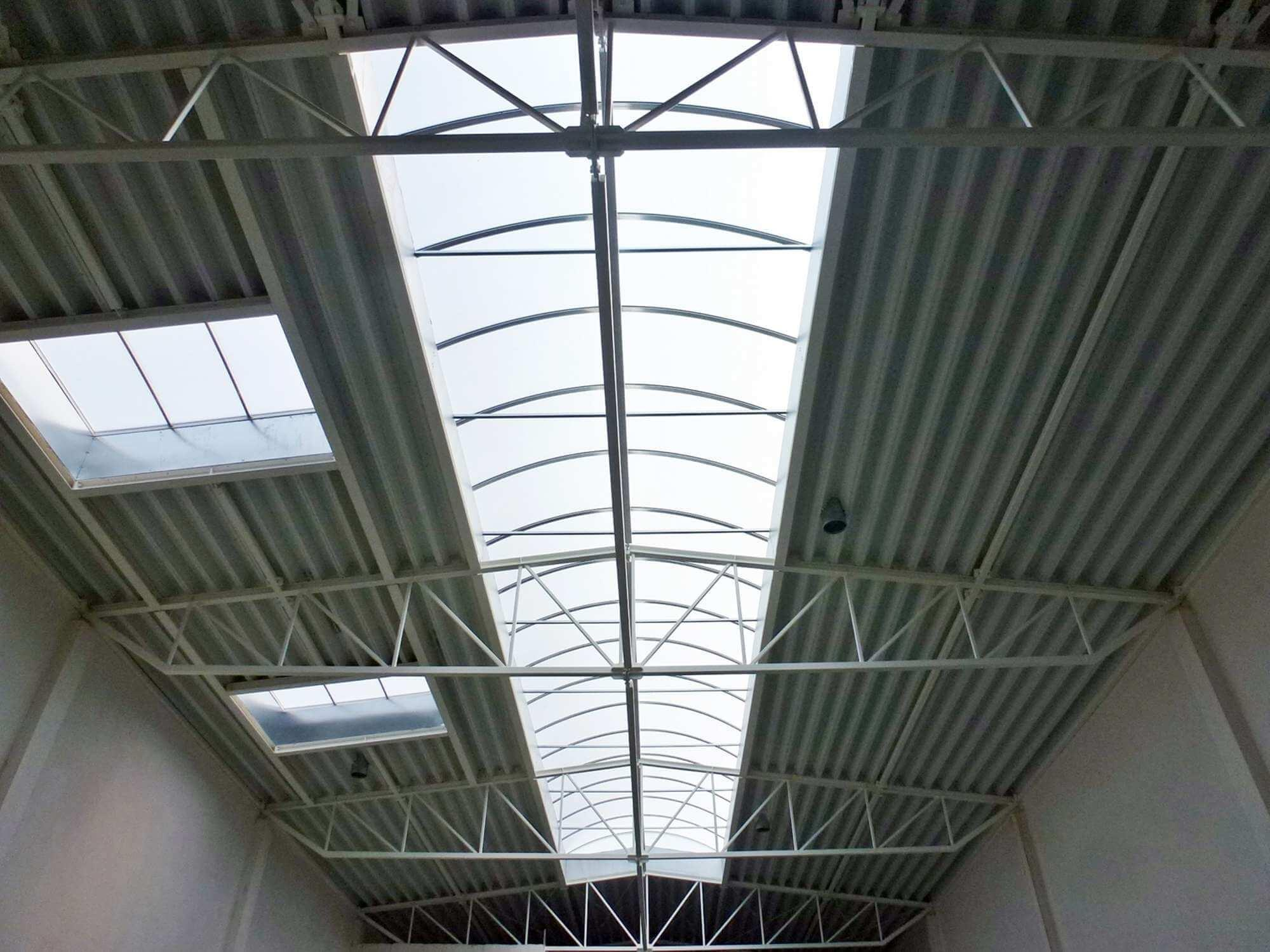
Natural light can change the character of a building, making interior spaces feel larger, brighter, and more comfortable during the day. Roof glazing is one practical way to introduce daylight without relying entirely on vertical windows. Among the available options, polycarbonate roof domes are used across residential, commercial, industrial, and utility buildings because the material combines low weight with good impact resistance.
A roof dome also provides a useful way to distribute daylight across areas that may sit far from external walls. Before selecting a product, however, it helps to understand how polycarbonate performs, what styles are available, and which specifications deserve attention.
What Are Polycarbonate Roof Domes?
Polycarbonate is a thermoplastic material known for its strength and relatively low weight. It can be manufactured in clear, translucent, tinted, or multi-wall forms, making it suitable for different roof glazing requirements.
A polycarbonate roof dome generally consists of a curved glazing panel installed over an opening in the roof. The curved profile helps shed rainwater while allowing daylight to enter from above. Depending on the design, the unit may be fixed directly into a roof opening or incorporated into a dedicated rooflight system.
The material is also easier to handle than many heavier glazing alternatives. This can simplify transportation and installation, particularly for larger roof openings.
Why Polycarbonate Is Used for Roof Glazing
Strength is one of the main reasons polycarbonate is selected for overhead glazing. The material has high impact resistance, which can be useful in buildings exposed to weather, falling debris, or demanding working conditions.
Its low weight is another practical advantage. A lighter glazing panel can reduce the handling requirements during installation and may place less additional load on the supporting structure than heavier glazing materials.
Polycarbonate can also be manufactured with treatments designed to improve resistance to ultraviolet exposure. This matters because roof glazing receives direct sunlight for long periods. The exact performance depends on the product specification, thickness, surface treatment, and manufacturer.
Thermal performance should also be considered. Some rooflight systems use multi-wall polycarbonate rather than a single sheet. The internal air spaces can provide greater insulation than a simple single-layer panel.
Different Types of Roof Dome Designs
Not every roof dome has the same construction or appearance. The appropriate style depends on the roof, room beneath it, desired daylight level, and thermal requirements.
Clear domes allow a high amount of daylight into the building and can be useful where maximum brightness is the priority. Opal or translucent versions diffuse incoming light, helping reduce harsh contrasts and direct glare.
Some systems use twin-wall or multi-wall construction to improve insulation. Others are designed primarily around light transmission and impact resistance. Frame materials, opening sizes, fixing methods, and ventilation features can also vary.
For commercial or industrial applications, the rooflight may form part of a larger daylighting arrangement rather than functioning as a standalone feature.
Daylight in Residential and Commercial Buildings
Roof glazing can be useful in rooms where conventional windows are limited. Kitchens, stairwells, bathrooms, extensions, garages, workshops, and converted loft spaces can all benefit from daylight entering through the roof.
Commercial buildings may use rooflights across warehouses, workshops, retail spaces, offices, and agricultural structures. Spreading daylight across a larger floor area can reduce the need for artificial lighting during suitable daylight hours.
The design should be considered alongside the building’s orientation, roof construction, internal layout, and existing windows. Too much glazing in the wrong location can create unwanted heat or glare, while insufficient glazing may produce little noticeable improvement.
Checking Rooflight Specifications Before Buying
Dimensions are among the first details to check. The opening size in the roof needs to match the manufacturer’s recommended fitting dimensions rather than simply the external measurement of the dome.
Glazing thickness is another consideration. Thicker or multi-layer products may provide different levels of impact resistance, insulation, and rigidity. The right specification depends on the application and roof design.
Light transmission should also be reviewed. A clear panel may provide more direct daylight, while an opal panel can distribute light more evenly.
Look at the product’s UV protection, weather resistance, expected service conditions, and compatibility with the roof system. For commercial installations, fire performance and relevant building requirements may also need to be assessed by a qualified professional.
Finding Polycarbonate Rooflights for Sale
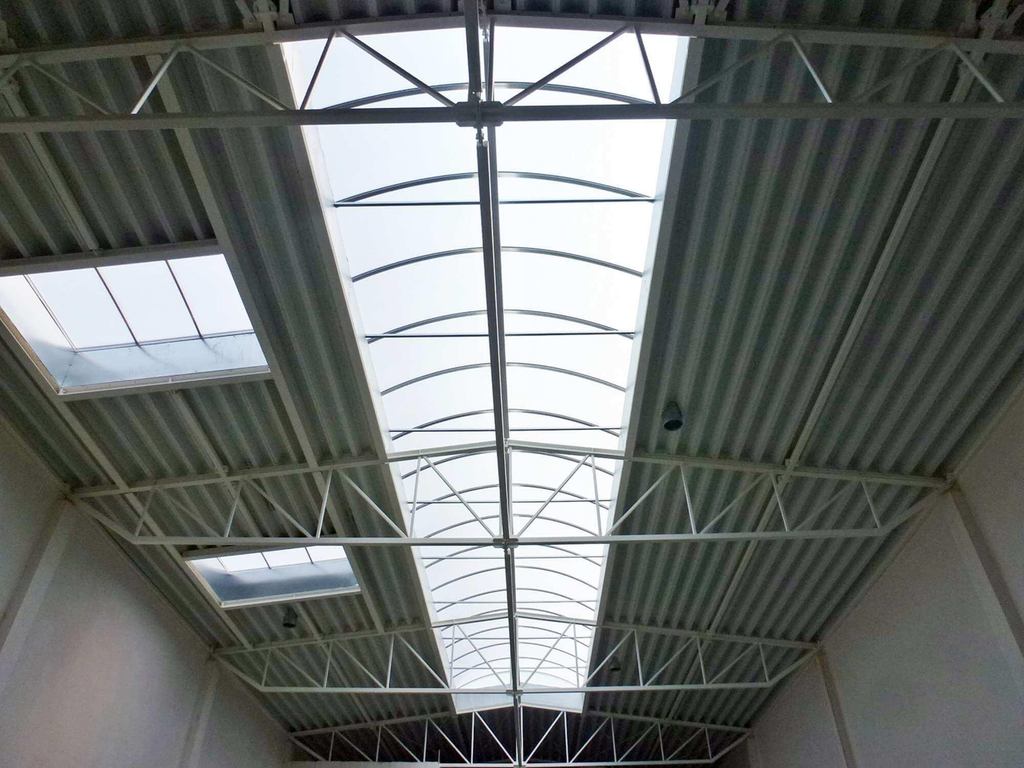
Buyers can find polycarbonate rooflights for sale through specialist rooflight suppliers, building-material distributors, and online retailers. Comparing products by price alone can lead to an unsuitable purchase because two rooflights with similar dimensions may have very different glazing structures and performance characteristics.
Check what is included with the product. Some rooflight units may be supplied with the necessary frame or kerb, while others may require additional components. Installation accessories, fixings, seals, and flashing details can affect the final project cost.
Supplier information should clearly state dimensions, material type, thickness, light transmission, and other relevant specifications. This makes it easier to compare products on a like-for-like basis.
Buying Online and Comparing Options
Searching for polycarbonate rooflights online gives buyers access to a broad selection of sizes and designs. Online purchasing can be convenient, particularly for standard rooflight dimensions, but product descriptions should be checked carefully before placing an order.
Look for technical drawings, installation guidance, material information, and warranty details. Images can show the general appearance, but technical specifications provide a much better basis for comparing products.
Delivery arrangements also deserve attention. Large rooflight panels can require specialist packaging to prevent damage during transportation. Check delivery dimensions, lead times, return conditions, and any restrictions that may apply to oversized items.
Choosing the Right Roof Dome for the Project
The best roof dome depends on the building rather than a single universal specification. A small residential extension may require a different product from a warehouse or workshop.
Start by identifying the roof type and available opening. Then consider the required amount of daylight, insulation needs, glazing construction, ventilation requirements, and expected exposure to weather.
Budget should cover more than the glazing itself. Structural preparation, flashing, frames, installation, and finishing materials can all contribute to the overall cost.
For projects requiring several units, ordering consistent sizes and specifications can also simplify installation and maintenance.
Purchase Considerations for Polycarbonate Rooflights
Anyone planning to purchase polycarbonate rooflights should compare the complete specification before committing to an order. Product quality, dimensions, glazing construction, light transmission, UV protection, compatibility, and installation requirements can all affect long-term performance.
For complex roof structures or large commercial installations, professional advice is advisable. A qualified installer or building professional can check the opening, supporting structure, weatherproofing details, and relevant regulations before work begins.
Polycarbonate roof domes can provide a practical source of overhead daylight while keeping weight and material handling manageable. With careful attention to glazing type, dimensions, thermal performance, and installation requirements, buyers can select a rooflight suited to the building and its intended use.