
Streaks, Spots, and Scratches: Window Cleaning Mistakes You Can Prevent
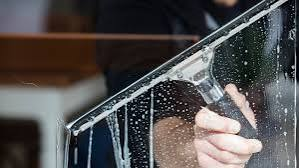
Clean glass changes how a room feels, yet many routine habits leave windows streaky, spotted, or even permanently scratched. Results hinge on a few technical details: when you clean the glass, the water and detergents you use, how you handle screens and tracks, and the method you choose for upper floors. This article explains the most common missteps that sabotage clarity and shows how to correct them. You will see why direct sun matters, how mineral deposits form, which tools are safe for modern coatings, and when a water-fed pole outperforms a ladder and squeegee. With small adjustments, you can protect glass, seals, and frames while getting a crisp, consistent finish.
Direct Sun and Fast-Drying Soap: Why Timing Affects Streaks
Midday sun heats panes and evaporates solution before a squeegee can pull it clean, leaving drag marks and detailing smears along mullions. Work the shady side of the building first, then follow the shade line. Mix a small amount of neutral detergent in cool water, flood the pane with a T-bar applicator, and keep the surface wet during scrubbing. Partnering with a reputable Window cleaning service can also help you schedule during cooler hours and, when appropriate, use deionized rinse water that dries spot-free. Detail edges with a clean microfiber to remove any water that rolls out of gaskets and weep holes after the pull.
Scenario: You are preparing for an afternoon open house. Instead of fighting glare at 2 p.m., clean exterior panes at sunrise while glass is cool, then return after lunch to finish interiors. Keep a spray bottle handy to re-wet hot edges, and switch to a softer rubber blade if chatter develops on warmed glass.
Mineral Deposits from Sprinklers: Spot Removal Without Etching
Sprinkler overspray leaves calcium and magnesium spots that cling to glass pores and the bottom rail. Light buildup often lifts with white vinegar and a non-scratch pad, but heavier scale may need a professional mineral remover based on acids designed for glass. Test in a corner, wear gloves, and pre-wet frames so the chemical doesn’t dry on anodized aluminum or painted sills. Rinse thoroughly with deionized or reverse-osmosis water to avoid re-depositing minerals from hard tap water. Prevention matters: redirect sprinkler heads, shorten run times, and install splash guards so lower panes do not get soaked every morning. The less fresh scale forms, the longer each cleaning holds.
Tracks, Sills, and Screens: The Hidden Dirt That Keeps Coming Back
Skipping tracks and screens is a shortcut that backfires. Dust and grit in slider tracks wick onto freshly squeegeed glass as soon as you open the window, and dirty mesh sheds onto the pane at the first breeze. Vacuum debris with a crevice tool, loosen packed dirt with a nylon brush, and flush corners with a spray bottle before you touch the glass. Wash screens with a soft-bristle brush and mild soap, then rinse and let them dry before reinstalling. There is a trade-off: removing screens makes for a better wash but risks bending fragile frames. Label each with ppainter’stape so every screen returns to its original window without forcing tabs or clips.
Blades, Pads, and Coatings: Preventing Scratches on Modern Glass
Abrasives that seem harmless can haze a pane for good. Green scrub pads, powdered cleansers, and steel wool can scratch low-E coatings, tinted film, and soft seals at the edge of insulated units. If you must remove paint specks or construction dust, only scrape on a wet surface with a new, sharp razor held flat, and stop if you feel grit under the blade. Avoid scraping heat-treated glass that may contain fabricating debris, which can score under a blade. Safer alternatives include white non-scratch pads, a clay bar lubricated with soap solution to lift fine contaminants, and a plastic razor on filmed glass. A tiny test in a corner, plus checking the manufacturer’s care guidelines, beats guessing.
Upper Floors and Access: Choosing Between Squeegees and Water-Fed Poles
Ladders paired with a squeegee allow precise edge work, but they are slower, require a standoff to protect gutters, and add fall risk on uneven landscaping. Water-fed poles deliver a soft-bristle scrub and a deionized rinse from the ground, reaching dormers and skylights without climbing. The trade-off is technique and setup: brush frames thoroughly so oxidation and dirt don’t create drip lines, and keep the DI resin fresh, or the rinse will spot as it dries. On chalky aluminum, expect to rinse longer to flush runoff. For a small two-story home, a pole can be faster and safer; for detailed French panes or oxidized frames, a ladder and hand tools may produce cleaner edges with fewer touch-ups.
Small choices create big differences in clarity and longevity. Clean in the shade so the solution remains workable. Use cool water with a measured bit of detergent, and pull a sharp squeegee. Keep hard water off glass by redirecting sprinklers and, when needed, remove scale with products designed for mineral deposits rather than household abrasives. Vacuum tracks, wash screens, and dry sills so debris does not migrate back onto the pane. For high windows, weigh the speed and safety of a water-fed pole against the precision of ladder work. A simple kit of an applicator, squeegee, microfiber towels, and a bucket handles routine maintenance. For upper stories, heavy deposits, or coated glass, consider qualified help and ask about pure-water systems, screen cleaning, and proof of insurance before any work begins.