
What to Know About Tattoo Removal and Scarring
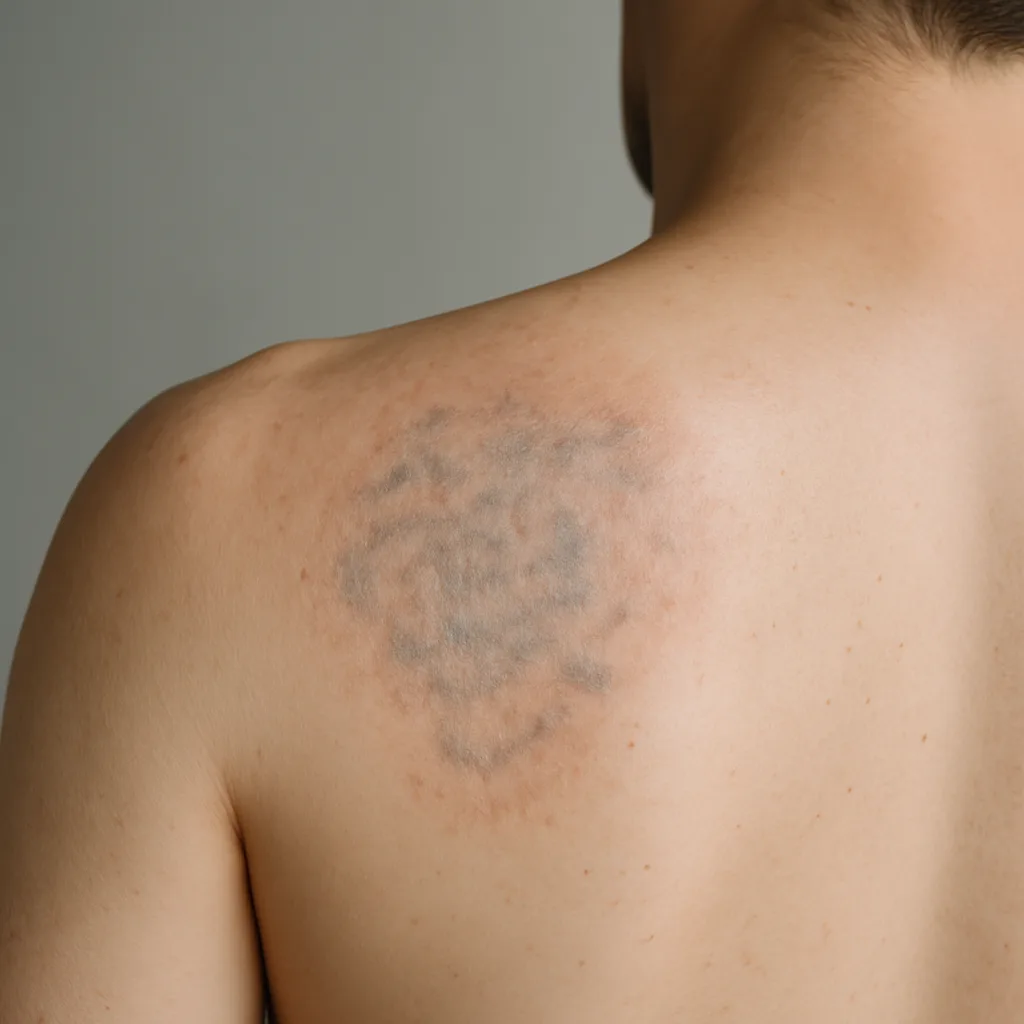
Every year, thousands of people decide their tattoo no longer fits who they are. Maybe it’s a name, a faded design from decades ago, or ink that just didn’t turn out the way it was supposed to. Before booking a removal session, it helps to understand exactly what happens to your skin during the process — and what your realistic chances of scarring actually are.
How Laser Tattoo Removal Actually Works
Laser tattoo removal uses focused beams of light to break apart the ink particles sitting in the dermis layer of your skin. Once the ink is fragmented into smaller pieces, your body’s immune system takes over, gradually flushing the particles out through the lymphatic system over the following weeks. This is why removal takes multiple sessions rather than a single visit — your body can only clear so much ink at a time.
Different laser wavelengths target different ink colors. Black and dark blue inks respond best because they absorb most laser wavelengths efficiently, while greens, yellows, and light blues often need specialized lasers and more sessions. A typical tattoo requires anywhere from six to twelve sessions spaced six to eight weeks apart, depending on ink density, color, and how deep the ink was originally applied.
Why Scarring Happens in the First Place
Scarring from tattoo removal is uncommon when the procedure is done correctly, but it’s not impossible. The most frequent cause is thermal injury to the skin — when the laser transfers too much heat too quickly, it can damage surrounding tissue rather than just the ink particles. This is more likely with outdated equipment, incorrect settings, or a technician who isn’t properly trained in reading how your specific skin type and tattoo respond.
Picking at scabs, exposing treated skin to sun too soon, or getting an infection during healing can also lead to scarring that otherwise wouldn’t have occurred. In other words, scarring is often less about the laser itself and more about what happens before and after the actual treatment.
Skin Type and Tattoo History Matter
Some people are simply more prone to scarring than others, regardless of how well the removal is performed. Those with a history of keloid or hypertrophic scarring should mention this to their technician before starting, since it changes how aggressively the laser can be used. Darker skin tones also require more careful calibration, because certain laser settings can trigger hyperpigmentation or hypopigmentation if not adjusted properly.
The tattoo itself plays a role too. Tattoos that were done by an inexperienced artist, tattoos with heavy scarring underneath from the original application, or tattoos that sit over an area with thin skin — like wrists or ankles — tend to carry a higher risk of visible marks after removal.
Choosing the Right Provider Reduces Risk Significantly
The single biggest factor in avoiding scarring is who performs the procedure. A trained and experienced provider will assess your skin tone, tattoo age, ink colors, and medical history before ever picking up the laser. They’ll also adjust settings between sessions based on how your skin responded previously, rather than using a one-size-fits-all approach.
Residents searching for expert laser tattoo removal in Edmonton should look for clinics that use medical-grade equipment, employ licensed technicians, and offer a consultation before the first session. A good provider will walk you through what to expect, flag any personal risk factors, and set realistic expectations about the number of sessions needed. Clinics that rush through consultations or skip patch testing are worth avoiding altogether.
Aftercare Is Not Optional
What you do in the days following each session has a direct impact on your final results. Keep the treated area clean and covered with a breathable bandage for the first 24 to 48 hours, and avoid soaking it in water — that means no swimming pools, hot tubs, or long baths until it’s fully healed. Applying a fragrance-free healing ointment as directed by your technician helps the skin recover without unnecessary irritation.
Sun exposure is one of the most common aftercare mistakes. UV rays can cause pigmentation changes in healing skin, so treated areas should be covered with clothing or a high-SPF sunscreen for several weeks after each session. Resist the urge to pick at any blistering or scabbing, since this is one of the most preventable causes of scarring.
What Realistic Results Look Like
Most people who follow proper aftercare and choose a qualified provider end up with minimal to no visible scarring once the tattoo fully fades. Some temporary textural changes, like slight raised skin or minor color shifts, are common during the healing process but typically resolve within a few months. Complete, permanent scarring is the exception rather than the rule when the procedure is handled with care.
Understanding the process before starting removal puts you in a much better position to protect your skin. Ask questions during your consultation, disclose your full skin and scarring history, and commit to the aftercare routine your technician recommends — those three steps do more to prevent scarring than almost anything else in the process.