
Vitamin Packaging Built for Single-Serve and Multi-Serve Formats
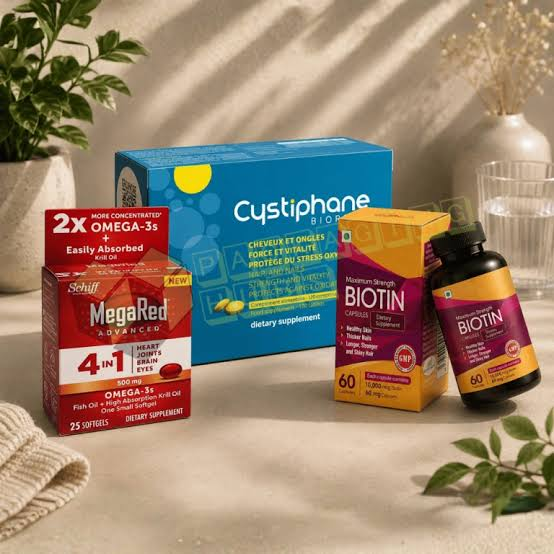
Vitamin and supplement brands rarely rely on one package size or format. A company may sell a full-size pouch of daily vitamins alongside travel packs, sample sizes, powdered drink mixes, or individually portioned supplements. Each format creates different requirements for filling, sealing, storage, shipping, and consumer convenience.
That is why vitamin packaging should be designed around the way the product is actually sold and used. Flexible packaging gives nutritional brands the ability to choose between single-serve and multi-serve formats while tailoring barrier properties, pouch dimensions, graphics, closure systems, and other features to specific products.
ePac currently identifies flexible pouches, sachets, and easy-tear packs as useful options for nutritional supplements. These formats can accommodate products including vitamins, nutraceuticals, powdered supplements, protein products, and other health-focused goods.
The right flexible packaging strategy can help a brand build a product line that works across retail shelves, direct-to-consumer orders, subscription programs, samples, travel formats, and everyday household use.
Stick Packs, Pouches, and Multi-Serve Bags for Versatile Product Lines
Single-serve packaging has become an important format for products designed around portability and portion control.
Stick packs, sachets, and easy-tear packets can work well for powdered vitamins, hydration mixes, electrolyte products, collagen powders, drink supplements, and other products intended to be used one serving at a time. ePac currently describes stick-pack and sachet packaging as suitable for vitamins, supplements, nutraceuticals, and related products.
Stick packs are particularly useful when brands want a slim package that fits easily into a purse, gym bag, backpack, desk drawer, or travel kit. A consumer can carry one serving without bringing along a full container.
For manufacturers and co-packers, stick-pack packaging can also be supplied as rollstock designed to run through compatible form-fill-seal equipment. ePac currently notes that its stick-pack materials are precision engineered for this type of machinery and can support production ranging from startup test runs to larger-scale programs.
Multi-serve products have different needs.
A larger stand-up pouch may be more appropriate for supplements consumed daily over several weeks. Powders, capsules, gummies, and other nutritional products can benefit from a package that combines usable internal volume with a resealable closure.
Zippers can improve convenience by allowing the consumer to open and close the pouch repeatedly. Tear notches can simplify the first opening, while wide pouch openings may make scooping or dispensing powdered products easier.
These same principles also appear across broader food packaging applications. Snacks, dried foods, powders, and other consumable products often need packaging that balances shelf life, barrier performance, portability, and resealability.
That crossover matters because supplement brands increasingly compete in retail environments alongside foods, beverages, functional snacks, and wellness products. Packaging therefore needs to protect the contents while also communicating quality and creating strong visual shelf presence.
Digital printing can further support product-line flexibility.
A supplement company may have different formulas, flavors, serving sizes, or benefit-focused SKUs. Rather than using one generic package, brands can create distinctive graphics for each product while maintaining a consistent overall identity.
ePac has previously highlighted digitally printed stand-up pouches for multiple vitamin and supplement SKUs, including products such as Vitamin D3, Vitamin B Complex, zinc, turmeric, and other formulations. Digital production can make it easier to manage multiple variations without treating every SKU as an entirely separate conventional print job.
Reliable Seals That Support Transport, E-Commerce, and Retail Display
A supplement package needs to look good, but appearance means little if the seal fails.
Reliable sealing is essential because nutritional products may pass through filling equipment, cartons, warehouses, distribution centers, delivery vehicles, retail shelves, and e-commerce fulfillment systems before reaching the customer.
Powders create particularly demanding packaging conditions because fine particles can migrate into the seal area during filling. The film structure, sealant layer, equipment settings, and package design all need to work together to create consistent seals.
Pouches must also be durable enough for the weight and physical characteristics of the product inside.
A lightweight single-serve powder does not place the same stress on a package as a larger multi-serve pouch containing a substantial volume of gummies, capsules, or dense powdered supplements. Material thickness and structure should therefore be selected according to product weight and distribution conditions.
Barrier performance is another major consideration.
Many vitamins, nutraceuticals, and powdered supplements can be sensitive to environmental factors such as oxygen, moisture, light, or outside odors. High-barrier flexible films can be selected to limit this exposure and support the product’s intended shelf life.
The appropriate barrier level depends on the specific formulation, so packaging specifications should be validated around the product rather than assuming that one film works for every supplement.
E-commerce adds further handling considerations.
Direct-to-consumer packages may move through individual parcel networks instead of remaining inside full retail cases. A pouch may be handled, stacked, and moved several times before arriving at a customer’s home. Strong seals and durable film construction can help reduce the risk of punctures or product leakage during that journey.
Flexible packaging may also offer shipping-efficiency advantages because pouches typically require less space than many rigid tubs or bottles. That can make storage, case packing, and fulfillment more efficient, particularly for brands shipping products directly to consumers.
Retail display brings a different set of priorities.
Stand-up pouches can sit upright on shelves while providing a large printable surface for branding, ingredients, supplement facts, preparation instructions, and product-benefit messaging. Digital printing can help create crisp graphics across multiple SKUs while allowing brands to update designs as product lines evolve.
Other industries demonstrate the same balance between protection and presentation. For example, coffee packaging must often address freshness, moisture, oxygen, aroma, and distribution while still giving the brand strong shelf visibility. ePac currently supplies custom printed coffee packaging for wholesale, e-commerce, startup roasters, and other sellers.
Vitamin and supplement brands face similar pressures. The package must survive distribution while continuing to look clean and professional when it reaches the shelf or customer.
Convenience features can strengthen the final experience.
Single-serve stick packs and sachets make products easy to carry and portion. Multi-serve pouches can use resealable closures for repeated access. Tear notches can simplify opening, while appropriate barrier films can help protect the remaining product between uses.
Brands may also use digital printing for track-and-trace features, product authentication, variable data, and customer loyalty initiatives. ePac specifically highlights these capabilities for nutritional supplement packaging, giving brands additional options for connecting physical packaging with digital experiences.
Ultimately, versatile vitamin packaging begins with understanding how consumers use the product.
A travel-focused electrolyte powder may perform best in a single-serve stick pack. A daily supplement may need a resealable stand-up pouch. A sample program might rely on sachets, while a larger multi-serve product could require stronger films, more internal volume, and a durable closure.
When format, film structure, seal performance, graphics, and distribution requirements are considered together, flexible packaging can support an entire supplement portfolio rather than just one SKU.
That gives vitamin and nutraceutical brands the ability to create packaging that works across single-serve convenience, multi-serve value, retail presentation, and e-commerce fulfillment while maintaining a consistent brand experience.